It is okay to not know where to start. UHS Survivor Services Advocates are here to provide confidential victim advocacy services to all students. Services include referrals, information about services, survivor rights, accommodations, accompaniments, and consultations.
On this page:
Support and Services
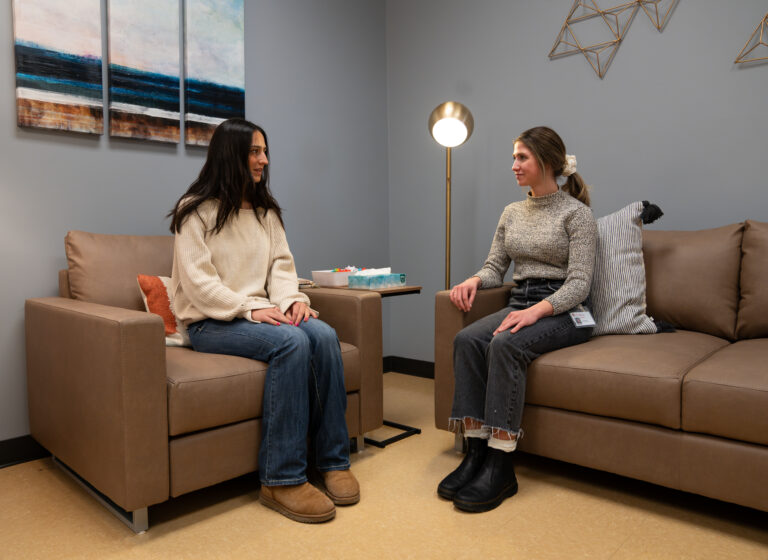
When you meet with an Advocate, you can expect a self-determination and empowerment-focused approach. Advocates provide information, help address immediate needs, assist with navigating systems, and offer non-clinical validation and emotional support. While they may support you emotionally, discuss coping strategies, and help with safety planning, they do not provide therapy.
Survivor Services mental health providers, offer counseling specifically for survivors. They can assist with processing trauma and developing clinical treatment plans tailored to your needs.
This is an accordion element with a series of buttons that open and close related content panels.
Referrals
Advocates can connect you with:
- Survivor mental health support
- Survivor medical care
-
Local community agencies and resources
-
Outreach events and training programs
Information About Survivor Rights
Advocates can help you understand the resources available both on and off campus, including which services are confidential and which are not. They can also explain your campus, legal, and medical rights and guide you through your options for support and services.
Accommodations
Advocates can assist you in exploring accommodations related to your:
- Classes
- Workplace
- Housing
- Financial needs
They can also help you connect with faculty, staff, supervisors, landlords, and others to communicate what you need. Every survivor’s situation is different, so accommodations are personalized based on your unique needs.
Accompaniments
Advocates can provide emotional support as an accompaniment when:
- Reporting to the police
- Attending campus meetings, investigations, and conduct hearings
- Attending legal meetings, court, etc.
- Receiving medical care
- Attending other related appointments
Consultations and Outreach
Advocates engage in outreach by providing:
- Coaching for faculty and staff about how to support student survivors and responding in a trauma-informed manner
- Coaching for friends and family about how to support survivors in their life
- Support for survivors about how to share or disclose information with others
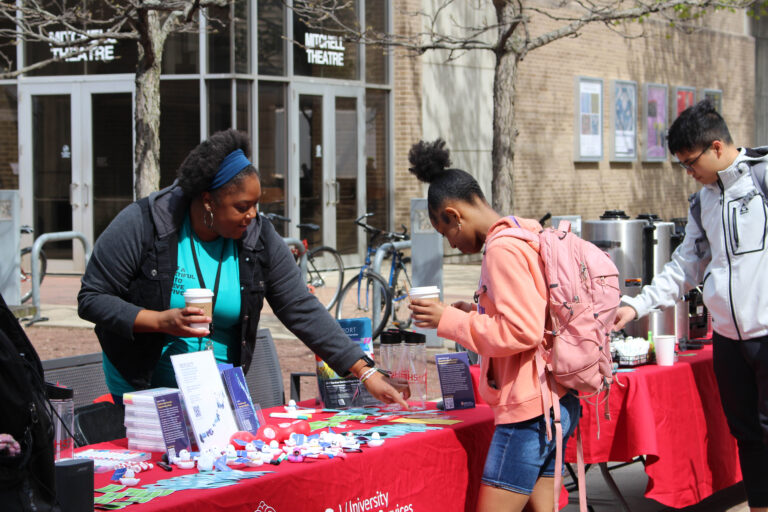
- Outreach presentations and trainings about resources
Meet the Advocates

Rachel Parbs, Survivor Advocate


Off-Campus Advocacy
Advocacy and support is also available off campus and offer culturally specific resources. The organizations listed below are not affiliated with UW-Madison.
Confidentiality
Confidential means that—as allowable by law—the information survivors share with our victim advocates will not be disclosed to anyone—including law enforcement, campus authorities or parents—without the explicit written permission of the student victim/survivor. Read the UHS statement on confidentiality for victims of sexual violence.